Healthy Aging for Adults and Seniors with Down Syndrome
As your loved one with Down syndrome grows older, you may find yourself navigating new experiences, questions, and emotions. Caring for an aging adult can feel overwhelming at times, but you are not alone. There are resources and support programs to help you navigate health changes, plan for the future with confidence, and ensure your loved one continues to live a full and meaningful life.
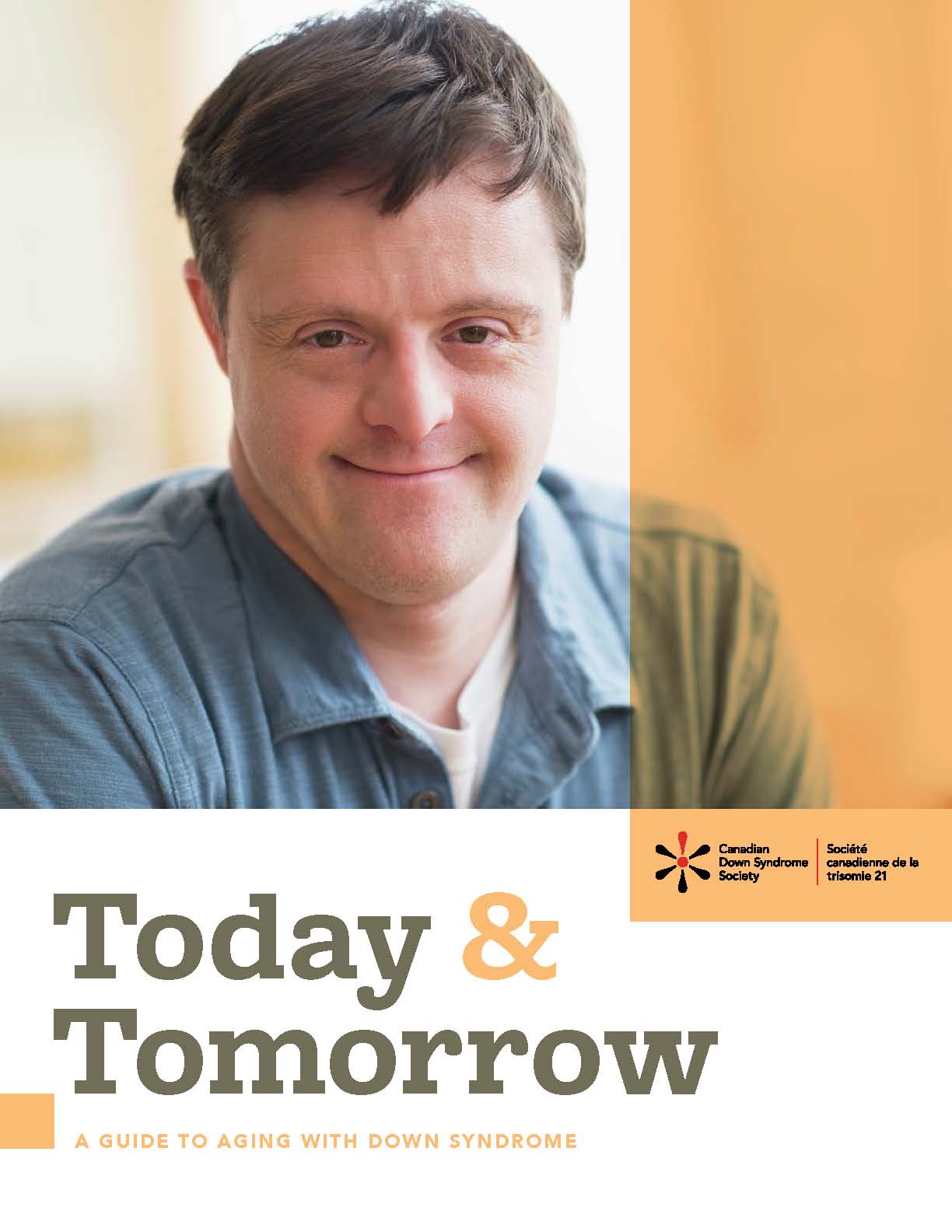
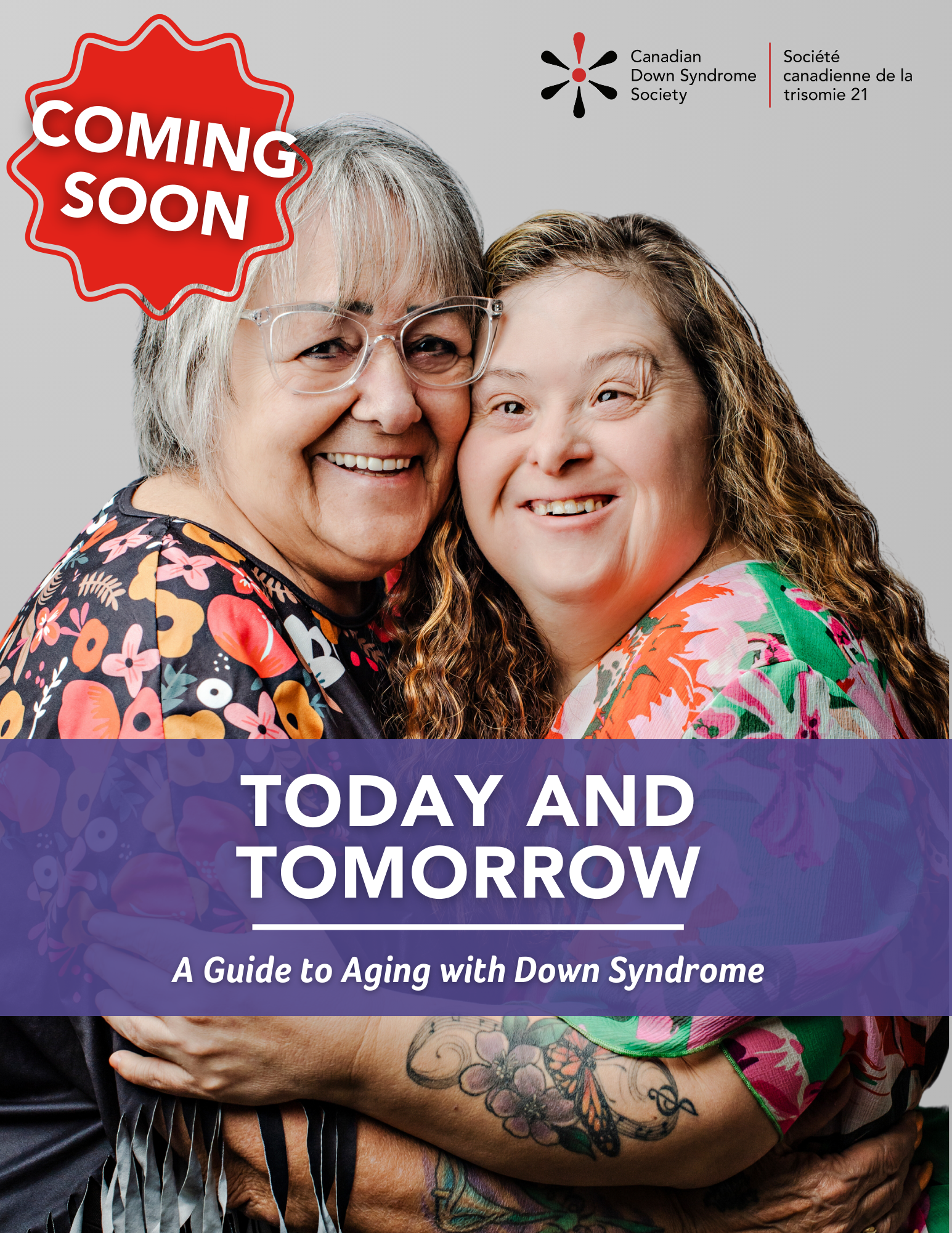
“Today and Tomorrow: A Guide to Aging with Down Syndrome”
Introducing the new edition of “Today and Tomorrow: A Guide to Aging with Down Syndrome”! This trusted resource for caregivers has been updated with expanded information, real community stories, and practical advice to help you support your loved one’s health and wellbeing with confidence and compassion.
We all want to see our loved ones with Down syndrome thrive as they age. Being proactive by learning the health risks that are common to seniors with Down syndrome is a great step. Today and Tomorrow extensively covers many aging health issues, including Alzheimer’s Disease, Dementia, Down Syndrome Regression Disorder, Depression and Anxiety, and Menopause. Download your free copy today.
Take A Look Inside…
Overview of Health Concerns for Adults with Down Syndrome
Adults with Down syndrome generally face many of the same health concerns as everyone else. However, there are a few health concerns that can be more common as a person with Down syndrome ages. Find guidance on monitoring these health concerns, recognizing early warning signs, and supporting overall well-being as your loved one grows older.
Menopause
If you are caring for an adult woman with Down syndrome, you may not be sure what to expect when your loved one reaches menopause. Learn about common symptoms, potential health impacts, and find tips for supporting your loved one’s overall well-being during this stage of life. Maintaining healthy habits like regular exercise, good sleep hygiene, and a balanced diet can be incredibly beneficial for many symptoms of menopause. It’s important that you discuss menopause with your loved one so they know what types of changes they may experience during this time.
The menopause content in Today and Tomorrow is based on La ménopause,a resource created by Kloey St-Onge, the Montreal Women’s Health Centre, and the Regroupement pour la Trisomy 21. Read the original French resource La ménopause here.
Alzheimer’s Disease
Alzheimer’s disease can be more common for people with Down syndrome than the general population due to the presence of extra genetic material in the 21st chromosome. Learn about early signs and symptoms, the stages of dementia, and practical strategies for supporting daily life while emphasizing person-centred care. Plus, get information about planning ahead and maintaining quality of life for both yourself and your loved one.
Down Syndrome Regression Disorder
Down Syndrome Regression Disorder (DSRD) is a rare condition that can occur in young adults with Down syndrome. It involves a sudden or gradual loss of skills that the person had already developed – such as speech, daily living abilities, movement, or social engagement. People with DSRD may also experience changes in behaviour, mood, or sleep. Because DSRD can look similar to other conditions, a thorough medical evaluation is important to rule out other causes and to guide treatment and support. Learn the common signs and symptoms to watch for, the differences between DSRD and dementia, and hear advice on how to navigate this complex condition from families who have experienced it first-hand.
Mental Health
Mental and physical health are closely connected, and changes in behaviour can sometimes indicate an underlying issue. Learn how to recognize potential symptoms and what steps you should take to ensure your loved one receives the correct diagnosis and treatment if needed. Learn the differences between temporary emotional reactions and longterm mental health challenges and discover practical strategies for supporting daily well-being, managing stress, and helping your loved one process difficult emotions like grief.
Self-Advocate Perspectives on Aging
“I have always tried to do research on many of the risks for people with Down syndrome as they age. I am still doing my research and learning a lot about things I did not know.
Thyroid issues are often a concern, so I have been working on my health and fitness. Eating properly and eating the right amount always helps me stay on track. A lot of food you eat has a lot of health benefits like Brazil nuts, eggs, seaweed, and fruit.
Remember to ask a professional and your parent what’s best for you and to believe in yourself and make yourself proud.I also try to be as independent as possible, so that I can handle things by myself. But I know when I’m older I might not be able to do everything independently.
I have a close circle of family and friends I know I can lean on and I can ask them for help if I need it.”
– Matthew, Self-Advocate
Additional Resources on Aging and Down Syndrome
Medical Care Guidelines for Adults with Down Syndrome
This comprehensive, evidence-based set of medical care guidelines was developed by the Global Down Syndrome Foundation to support clinicians caring for adults with Down syndrome. It includes a full technical guideline, a family-friendly version, and several toolkits to help both medical professionals and individuals/families monitor health and implement recommendations.
Healthcare Communication Tools
Surrey Place has a number of templates that can help adults with intellectual disabilities to communicate with their healthcare providers, including “About My Health” and “My Hospital Form”. These tools can help your loved one communicate their preferences to their healthcare team.
National Task Group Early Detection Screen for Dementia
The National Task Group Early Detection Screen for Dementia (NTG-EDSD) is a tool to record changes you observe in your loved one as they get older. It is beneficial to start using this screening tool when your loved one is in their thirties (before they experience health challenges associated with aging) so that you can establish a baseline of your loved ones cognition and abilities.
Down Syndrome and Alzheimer's Disease
An overview of the link between Down syndrome and Alzheimer’s disease from the Alzheimer Society. Includes prevalence, causes, symptoms, and the challenges of diagnosing dementia in people with Down syndrome. It also includes research updates, risk factors, and links to additional educational and support resources.
Alzheimer's Disease and Down Syndrome: A Practical Guidebook for Caregivers
This resource from the National Down Syndrome Society (NDSS), the National Task Group on Intellectual Disabilities and Dementia Practices, and the Alzheimer’s Associatioon is designed for caregivers of individuals with Down syndrome and Alzheimer’s disease.
Canadian Guide for Community Care and Supports for Adults with Intellectual Disabilities Affected by Dementia
This resource is a Canadian-adapted guideline for community care and supports for adults who have intellectual disabilities and are affected by dementia created by Reena and the NTG-Canadian Consortium. It presents a stage-based framework along with recommended actions, support models, and emerging issues to guide families, caregivers, and service providers.
Down Syndrome Regression Disorder: What You Need to Know with Dr. Jonathan Santoro
Down Syndrome Regression Disorder (DSRD) can be sudden and devastating for both families and individuals. This webinar with Dr. Jonathan Santoro and the National Down Syndrome Society (NDSS) focuses on the signs and symptoms of DSRD, the recommended workup for the condition, and treatment options.
Down Syndrome Regression Disorder Self-Assessment
This self-assessment and guidance tool from Down Syndrome Australia provides a checklist of observed changes across communication, motor skills, behavior, cognition, and daily living, aimed at helping caregivers track regression and support discussions with medical professionals. It also outlines a diagnostic workup—tests and referrals to rule out other causes.
Plain Language Grief and Loss Resource
This simplified, accessible guide can help self-advocates understand and cope with grief. It uses plain language and visuals to support individuals working through emotional challenges after a loss.
Death and Bereavement Resource from the Down's Syndrome Association
This resource is meant to support parents and caregivers as they guide their loved one with Down syndrome through the difficult and emotional process of dealing with grief and bereavement.